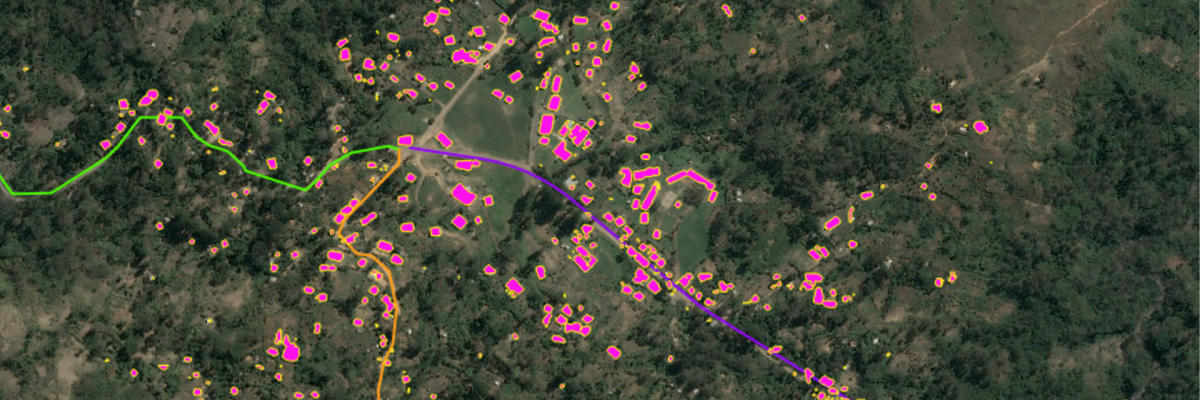
While technology strengthened every stage of the assessment, it was only part of the solution. The success of the evaluation relied equally on local knowledge, experienced field teams, and meaningful engagement with communities along the highway. Technology identified patterns and processed large volumes of data, but the local researchers and project team provided the context needed to understand why changes had occurred and how they affected people’s lives.
By combining quantitative surveys, qualitative interviews, satellite observations, and administrative data, the assessment measured changes in mobility, healthcare access, education, market participation, transport services, and local economic activity. Collecting both before-and-after evidence and asking stakeholders to explain the reasons behind observed changes also enabled the team to explore causality, not simply whether conditions improved, but the extent to which those improvements resulted from the highway rehabilitation.