

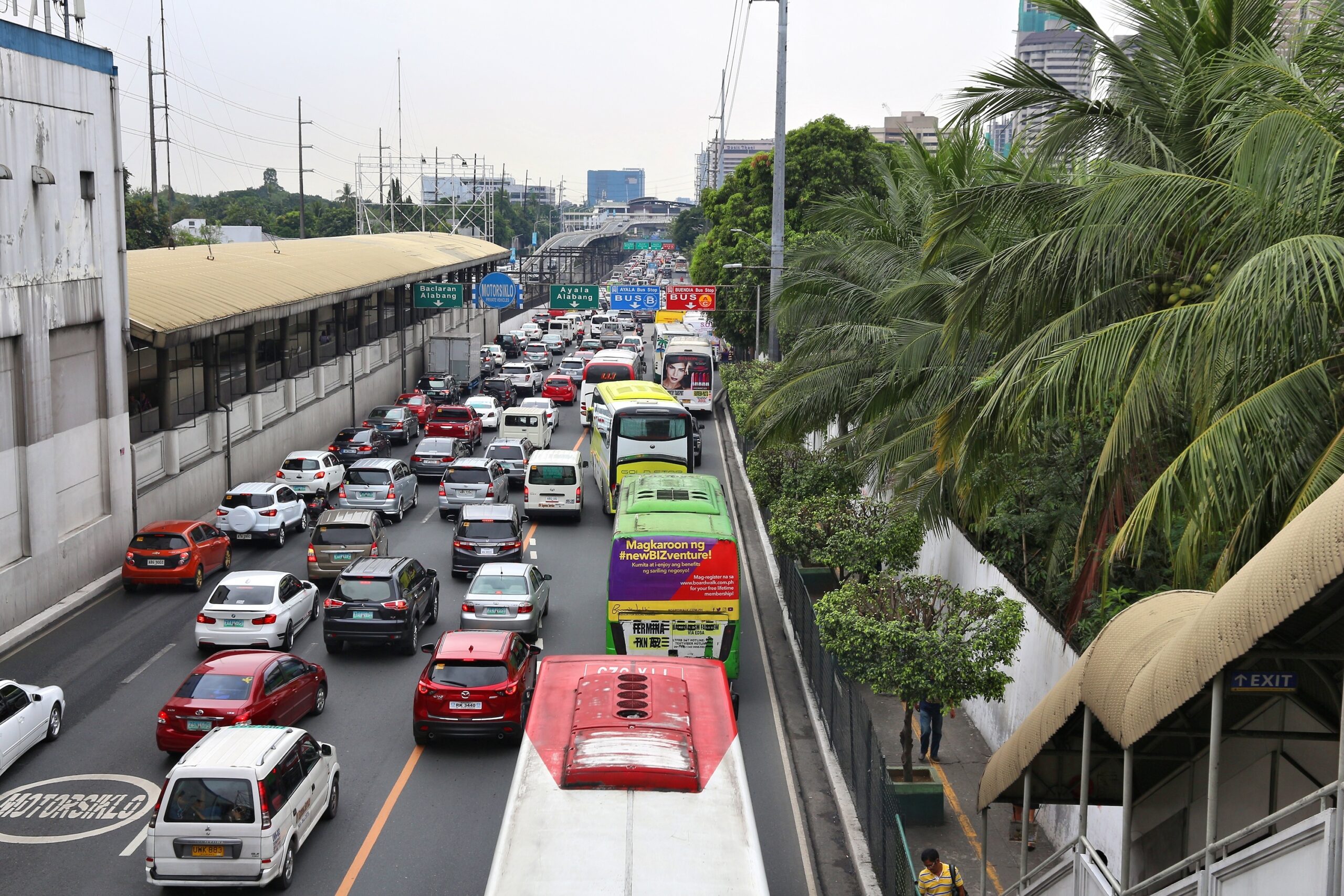
MANILA, PHILIPPINES - DECEMBER 8, 2017: Typical traffic congestion in Metro Manila, Philippines. Metro Manila is one of the biggest urban areas in the world with 24 million people.

Listening Before Measuring:

Why Community Voices Matter in Infrastructure Projects

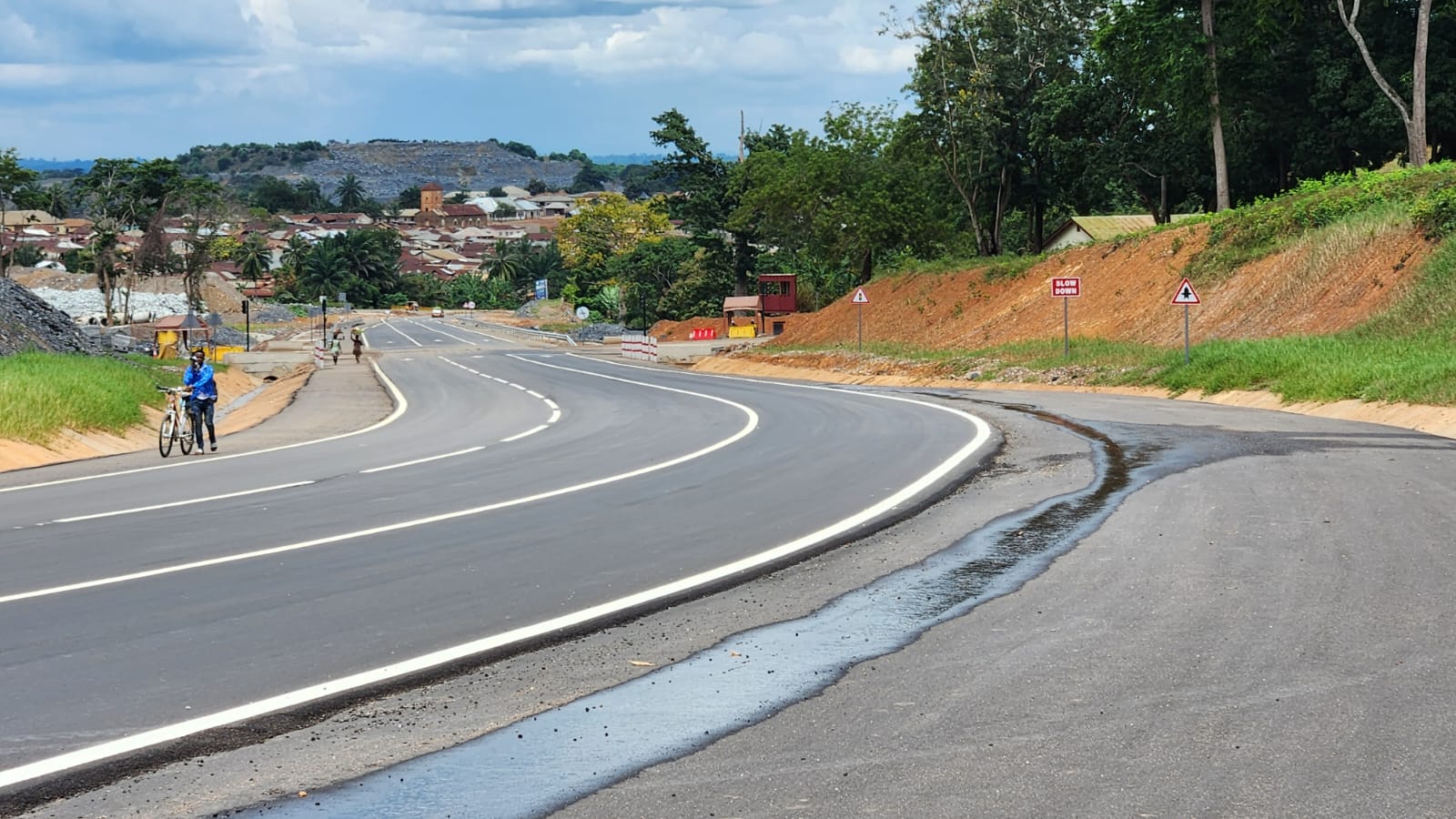
Infrastructure’s impact is not just economic. It is lived, experienced, and felt. This is especially true for climate-resilient transport infrastructure, which is designed not only to perform today, but to endure tomorrow’s uncertainties. For the Enga Highway project, we wanted to assess its true impacts on the environment, communities, and economy after it remained in good condition for over 14 years, an unprecedented achievement for the main road in the Enga Province. We engaged Rural Senses, a company that specializes in conducting impact assessments in developing nations, to conduct a thorough impact assessment of the project. It started with “One Talk”, where we had conversations with the people of Enga, including youth, women, medical and education providers, merchants and business owners. Their perspectives formed the foundation of the study, ensuring that local voices were the primary source of insight before further analysis of the impacts.
Listening at Scale: How Voices Are Captured

Before any data were collected, a clear theory of change was developed, with a structured understanding of how infrastructure was expected to create environmental, social, and economic outcomes. The unique methodology for collecting data transforms impact assessment from a static evaluation into a continuous learning system, combining both participatory and quantitative methods. 

The impact assessment was built on a human-centred methodology that treats community members as primary sources of knowledge, not just respondents. The data collection was structured using a combination of local face-to-face interviews and digital processes.

Local Data Collectors, Local Languages

Data was gathered by trained local surveyors, including AnyWay staff members, embedded within the communities themselves. These surveyors conducted interviews in local languages through open, natural conversations, ensuring responses were authentic and culturally grounded. 

This approach was based on the User Perceived Value framework, developed at the University of Cambridge, which prioritizes lived experience as a core metric of impact. It is important to note that all interviews were conducted using a non-biased approach. Interviewers did not disclose that the survey was part of an impact assessment related to AnyWay Solutions, ensuring that responses were not influenced by this context.  

Voice-Based Surveys

Instead of rigid questionnaires, a voice-based mobile data collection method was used, allowing people to speak freely rather than select predefined answers. This method reduced bias, captured nuances and emotions, and enabled participation regardless of literacy levels. Each conversation became both qualitative insight and structured data.

Human and AI-Powered Processing

Voice recordings were automatically transcribed, translated into English and then analyzed using natural language processing. This allowed thousands of human stories to be transformed into quantifiable insights at scale, while preserving meaning and context. 

Quality and Trust

To ensure reliability, local teams were trained in ethical interviewing and bias reduction. The data underwent quality assurance checks to further enable data-quality, and the team made sure to actively account for cultural nuances. The result was data that is not only large in volume but deep in meaning.

Beyond Surveys: Combining Voices with Satellite Data

What made the impact assessment unique was not just how we listened, but also how we connected what was observed using digital technologies.

Using Earth Observation (EO) technology, satellite data is layered with community insights to create a multi-dimensional view of the impacts. This allows researchers to track physical changes like urban expansion and land use and measure the economic and environmental shifts over time. Those changes could then be linked directly to the lived and shared experiences of the community members.

For example, along the Enga Highway, EO data revealed visible expansion of built-up areas between 2017 and 2024, confirming patterns described by communities on the ground. 

In this model, satellites showed what changed while the people explained why it mattered. Together, they revealed a critical dimension of climate-resilient infrastructure. 

When a road is reliable reliable over time, people reorganize their lives around it.

What Listening Reveals: The 'Magnet Effect’

When communities were asked about population changes after road rehabilitation, the response was unanimous: 100% reported population growth and 80% described it as significant

But the insight goes deeper than numbers. Communities described a powerful “pull effect”:

  • Families relocating from mountainous areas for access to healthcare and schools
  • Migration toward roadside markets and economic opportunities
  • Continuous construction of new homes along the corridor

One voice captured it clearly, “We have built businesses along the roadside… we can easily access services.” This is not just demographic change, but a transformation of how people live.

The impact assessment was built on a human-centred methodology that treats community members as primary sources of knowledge, not just respondents. The data collection was structured using a combination of local face-to-face interviews and digital processes.

A New Standard for Impact Measurement

The impact assessment that was conducted by Rural Senses demonstrates that meaningful infrastructure evaluation requires three things:

  1. Human insight – captured through voice, conversation, and lived experience
  2. Quantitative rigour – structured indicators and measurable outcomes
  3. Spatial intelligence – satellite data that tracks real-world change

By integrating these layers, impact is understood, validated, and explained.

The Takeaway

While it is well established that roads are a catalyst for development, they often fail to withstand the impacts of climate change. This impact assessment demonstrates that the climate resilience of transport infrastructure, especially rural roads, can significantly improve community livelihoods by enabling longer-lasting infrastructure and providing reliable, consistent access that supports many aspects of life.

It also shows that climate-resilient transport infrastructure does not exist in isolation. It reshapes communities, economies, and daily life in ways that numbers alone cannot capture. That’s why this impact assessment started with a simple principle:  Using multiple layers of data collection can ensure reliable and well-founded conclusions.

Ultimately, this impact assessment reveals not just whether infrastructure works, but how its climate-resilient design allows it to continue delivering that value over time. Because the real measure of resilience is not what a road does today, but what it makes possible over a long period of time, and in this case, more than 14 years.

Beyond the Road:
Measuring Real Impact

Infrastructure doesn’t just move vehicles — it transforms lives, livelihoods, and entire communities. Because to build better infrastructure, we first need to understand what truly matters.

Explore the full series 

Real impact

Related Articles

Listening Before Measuring:

Why Community Voices Matter in Infrastructure Projects Infrastructure’s impact is not just economic. It is lived, experienced, and felt. This is especially true for climate-resilient transport infrastructure, which is designed not