
Can infrastructure really change lives in rural communities?

WhatsApp Image 2026-01-13 at 10.32.44 AM

Can infrastructure really change lives in rural communities?

The importance of a climate resilient approach in the rehabilitation of existing rural roads

Measuring the Impact of Enga Highway

Transport infrastructure has the power to change how communities live, work, and grow. For decades, the success of transport infrastructure has been measured by outputs: kilometres of road built, budgets spent, and timelines met. But these metrics only tell part of the story. What they often miss is one of the most important questions: “What actually changed for the people who use the road every day?” This question becomes even more critical in the context of climate change and its growing impact on transport infrastructure, particularly rural roads. Many roads in developing countries were originally built to standards that no longer reflect current climate conditions, making them increasingly vulnerable to damage and failure. As a result, rehabilitation and upgrading efforts require a fundamentally different approach that explicitly accounts for climate risks and integrates design features that enhance long-term resilience. Only by adopting this approach can infrastructure investments deliver lasting, positive impacts on the livelihoods of the communities they serve.

The rehabilitation of the Enga Highway in Papua New Guinea offers a powerful opportunity to explore this, and to realize that long team impact is actually achievable through climate resilient engineering approach. 

Infrastructure Changes Communities, But Measuring Impact Isn’t Easy

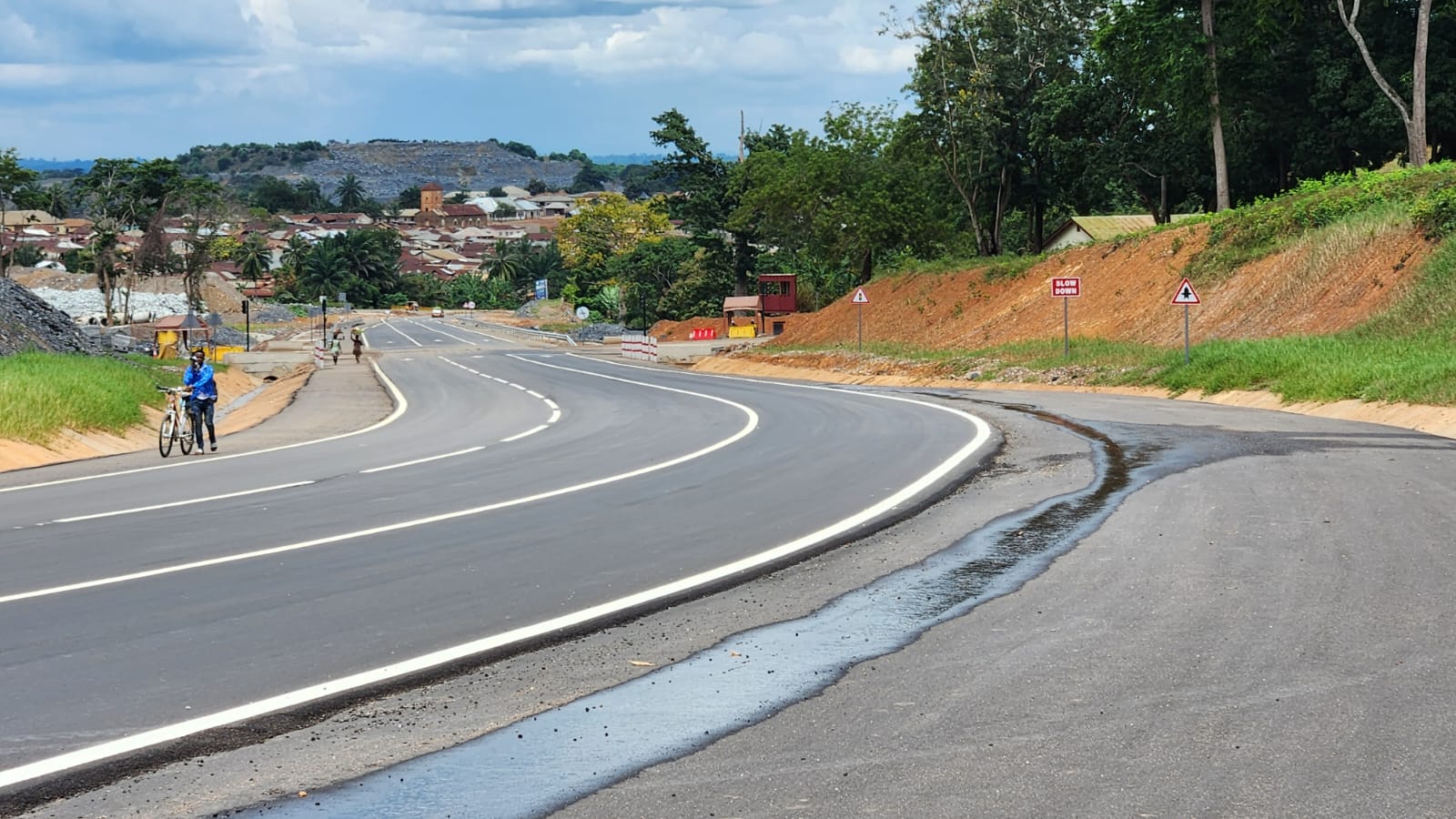
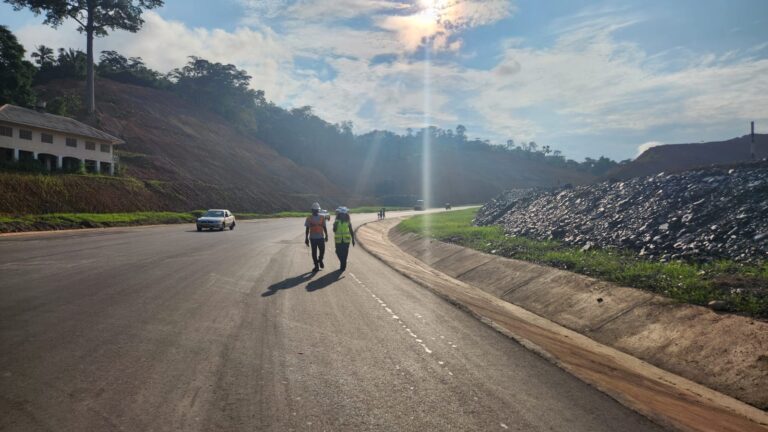
There are 67 kilometres of the Enga Highway that run through one of the most remote and mountainous regions in Papua New Guinea, forming a critical link between rural communities and essential services. For years, deteriorating road conditions limited mobility, restricted access to healthcare and education, and constrained economic activity.

When the rehabilitation of the road started in 2012, using climate-resilient engineering approaches and solutions, the expectation was clear that improved infrastructure would lead to improved lives. The expectation was that the road would maintain its good structural condition even under the conditions of climate change. 

But proving that link is not straightforward. Infrastructure operates within complex systems. Changes in mobility affect access to markets. Access to markets influences income. Income shapes health, education, and long-term opportunity. Capturing these interconnected effects requires a deeper, more human-centered approach to data.

A New Way to Measure What Matters

To better understand these impacts, AnyWay Solutions partnered with Rural Senses to conduct a comprehensive impact assessment of the Enga Highway.

The goal was to move beyond outputs and measure real outcomes. Using a mixed-methods approach, the assessment combined:

  • Quantitative data (travel times, transport costs, trip frequency)
  • Qualitative insights (community experiences, perceptions, and lived realities)
  • A structured Theory of Change linking infrastructure improvements to development outcomes

Through surveys and interviews with 174 stakeholders, including farmers, transport operators, households, healthcare workers, and local businesses, the study captured both the scale and the depth of change.

Enabled by Rural Senses’ technology platform, including in-person data collection and AI-supported analysis, the assessment preserved community voices while generating robust, decision-ready insights.

What the Data Reveals

The findings tell a compelling story of transformation. Following the rehabilitation of the Enga Highway:

  • Transport efficiency improved significantly, with travel times reduced and trip frequency increased
  • Farmers gained easier, faster access to markets, increasing the volume of goods transported
  • Businesses experienced higher customer flows and growing revenues
  • Access to healthcare improved, with faster emergency response times and better maternal outcomes
  • Students reached schools more easily, improving attendance and punctuality
  • Communities became more connected, with population growth along the corridor

These changes reinforced one another. Rehabilitated roads that maintain good condition for longer periods of time enable movement for many more years. Such movement enables access. Access enables opportunity.

From Data to Development Impact

One of the most important insights from the assessment is that resilient infrastructure which then maintains its good condition and level of serviceability for longer period of times, acts as a multiplier across development outcomes.

The Enga Highway contributes to several global development priorities, including:

  • Health and well-being, through improved access to medical services
  • Quality education, by reducing barriers to school attendance
  • Economic growth, by enabling market access and business expansion
  • Resilient infrastructure, through durable, climate-adapted design


These outcomes align closely with the Sustainable Development Goals (SDGs), demonstrating how targeted infrastructure investments can drive progress across multiple sectors simultaneously.

A Journey of Discovery

The Enga Highway impact assessment is part of a broader journey of understanding how infrastructure investments translate into real-world change.

It shows that long-lasting climate resilient infrastructure projects do change communities, and despite that, measuring that change may be complex, it is possible. After all, better measurement leads to better decisions, design and outcomes for surrounding communities.

Explore the Report

To dive deeper into the data, explore stakeholder perspectives, and interact with the results, access the full Enga Highway Impact Assessment Report here:

On Key

Related Posts