Listening Before Measuring:

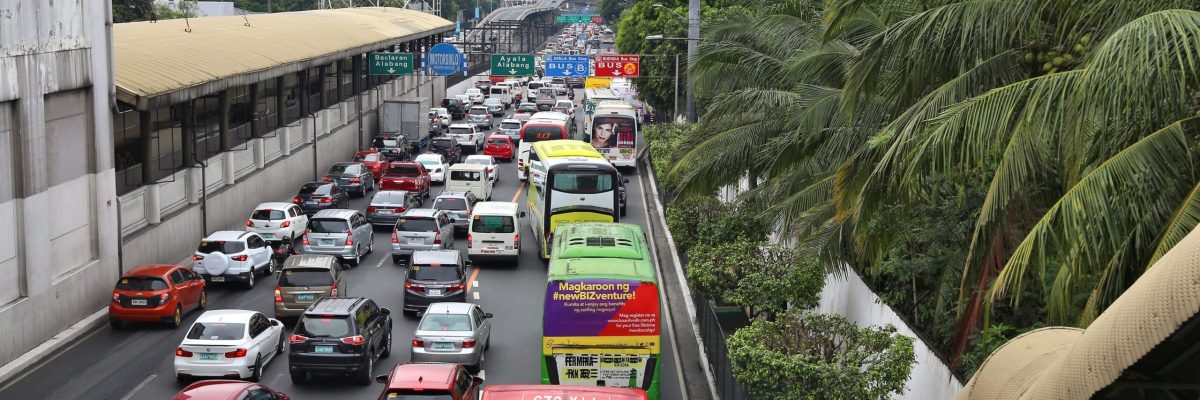
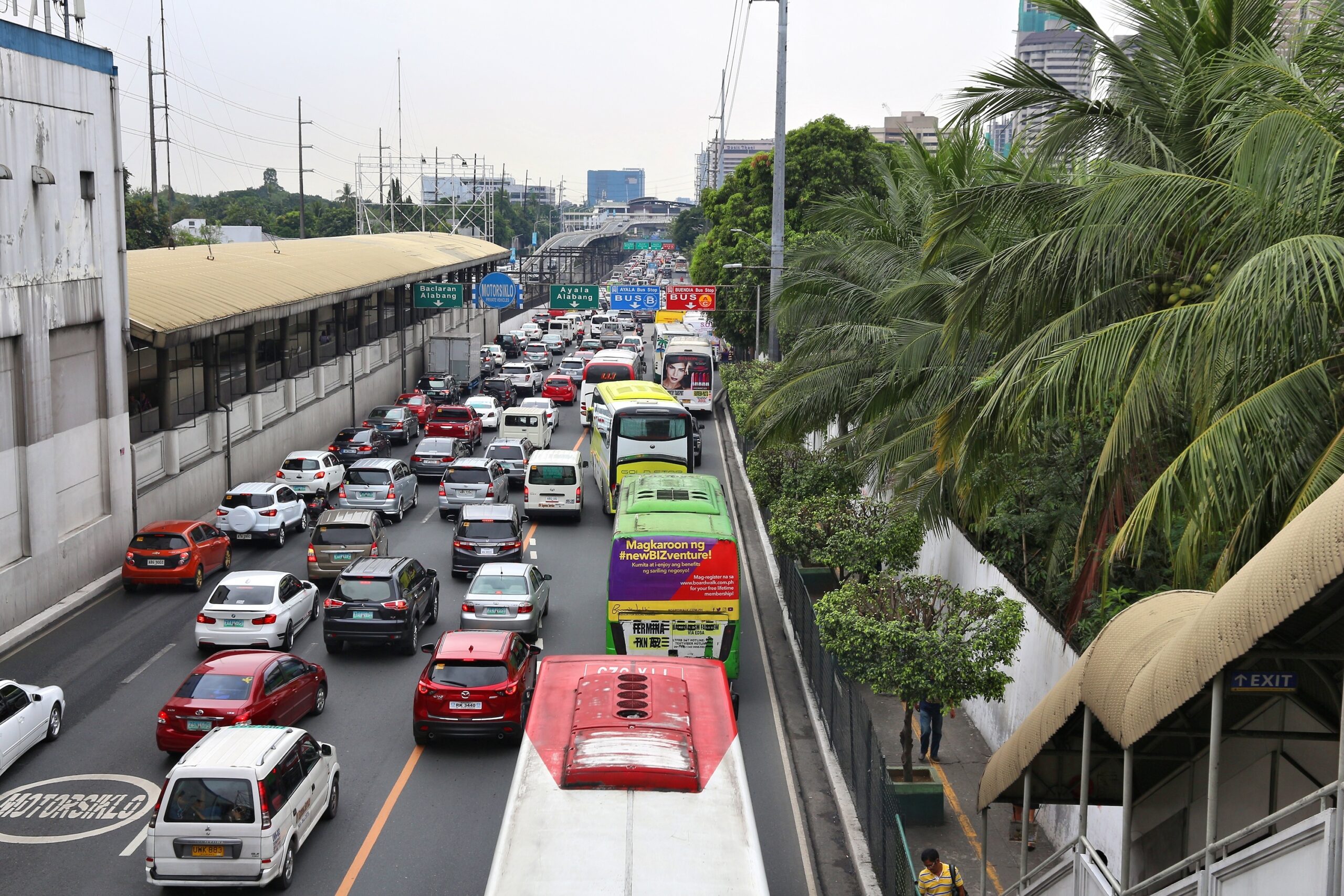
MANILA, PHILIPPINES - DECEMBER 8, 2017: Typical traffic congestion in Metro Manila, Philippines. Metro Manila is one of the biggest urban areas in the world with 24 million people.

Listening Before Measuring:

Why Community Voices Matter in Infrastructure Projects

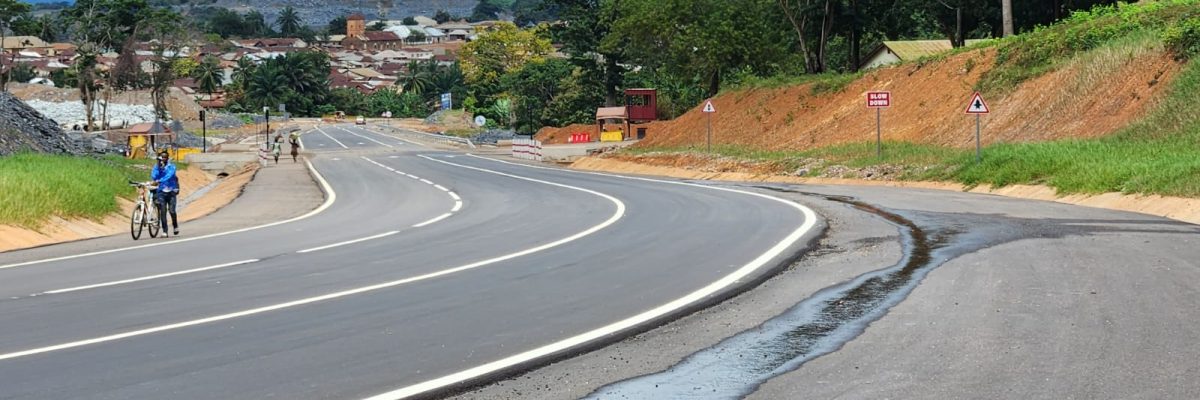
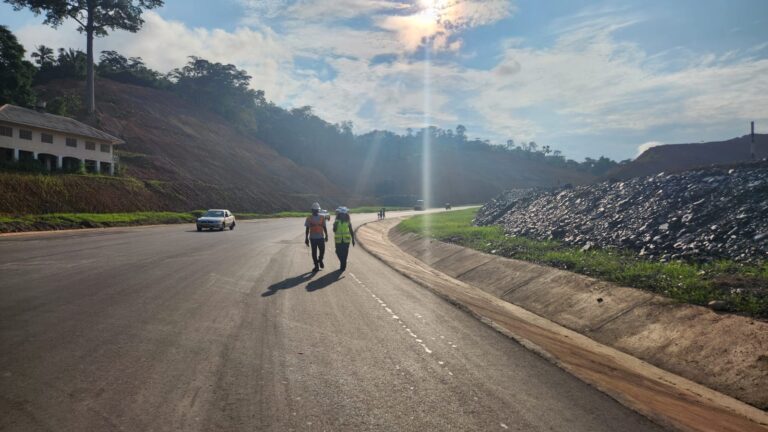
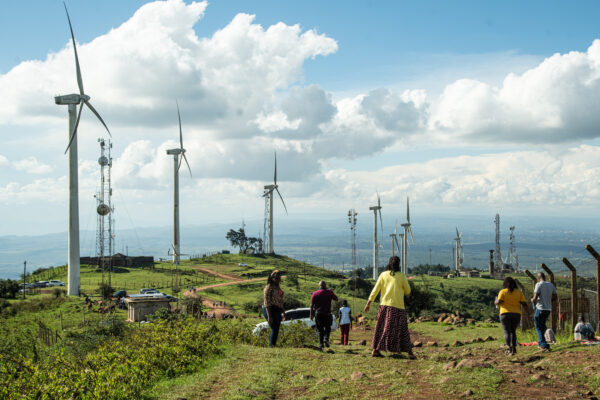
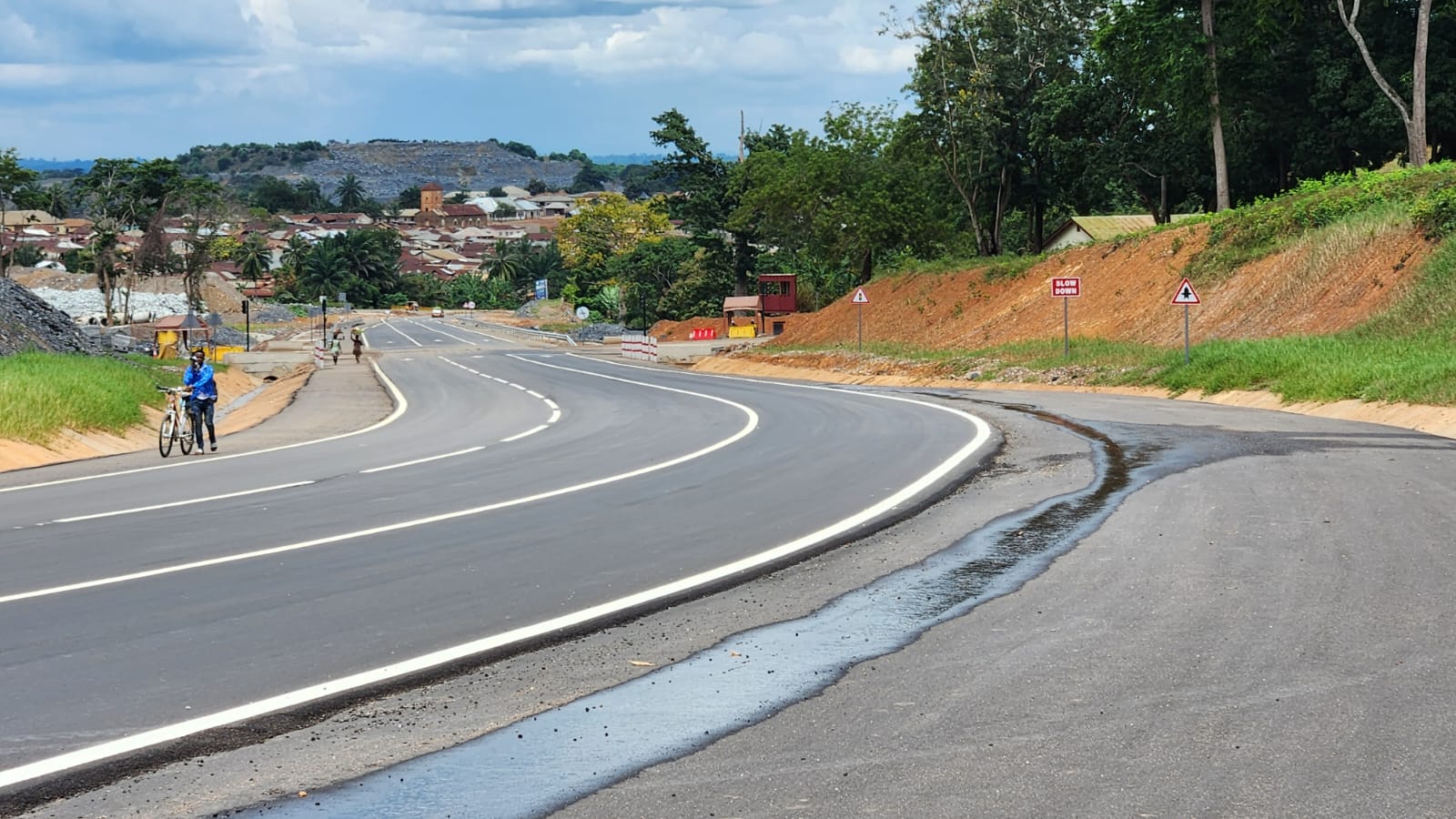
Infrastructure’s impact is not just economic. It is lived, experienced, and felt. This is especially true for climate-resilient transport infrastructure, which is designed not only to perform today, but to endure tomorrow’s uncertainties. For the Enga Highway project, we wanted to assess its true impacts on the environment, communities, and economy after it remained in good condition for over 14 years, an unprecedented achievement for the main road in the Enga Province. We engaged Rural Senses, a company that specializes in conducting impact assessments in developing nations, to conduct a thorough impact assessment of the project. It started with “One Talk”, where we had conversations with the people of Enga, including youth, women, medical and education providers, merchants and business owners. Their perspectives formed the foundation of the study, ensuring that local voices were the primary source of insight before further analysis of the impacts.
Listening at Scale: How Voices Are Captured

Before any data were collected, a clear theory of change was developed, with a structured understanding of how infrastructure was expected to create environmental, social, and economic outcomes. The unique methodology for collecting data transforms impact assessment from a static evaluation into a continuous learning system, combining both participatory and quantitative methods. 

The impact assessment was built on a human-centred methodology that treats community members as primary sources of knowledge, not just respondents. The data collection was structured using a combination of local face-to-face interviews and digital processes.

Local Data Collectors, Local Languages

Data was gathered by trained local surveyors, including AnyWay staff members, embedded within the communities themselves. These surveyors conducted interviews in local languages through open, natural conversations, ensuring responses were authentic and culturally grounded. 

This approach was based on the User Perceived Value framework, developed at the University of Cambridge, which prioritizes lived experience as a core metric of impact. It is important to note that all interviews were conducted using a non-biased approach. Interviewers did not disclose that the survey was part of an impact assessment related to AnyWay Solutions, ensuring that responses were not influenced by this context.  

Voice-Based Surveys

Instead of rigid questionnaires, a voice-based mobile data collection method was used, allowing people to speak freely rather than select predefined answers. This method reduced bias, captured nuances and emotions, and enabled participation regardless of literacy levels. Each conversation became both qualitative insight and structured data.

Human and AI-Powered Processing

Voice recordings were automatically transcribed, translated into English and then analyzed using natural language processing. This allowed thousands of human stories to be transformed into quantifiable insights at scale, while preserving meaning and context. 

Quality and Trust

To ensure reliability, local teams were trained in ethical interviewing and bias reduction. The data underwent quality assurance checks to further enable data-quality, and the team made sure to actively account for cultural nuances. The result was data that is not only large in volume but deep in meaning.

Beyond Surveys: Combining Voices with Satellite Data

What made the impact assessment unique was not just how we listened, but also how we connected what was observed using digital technologies.

Using Earth Observation (EO) technology, satellite data is layered with community insights to create a multi-dimensional view of the impacts. This allows researchers to track physical changes like urban expansion and land use and measure the economic and environmental shifts over time. Those changes could then be linked directly to the lived and shared experiences of the community members.

For example, along the Enga Highway, EO data revealed visible expansion of built-up areas between 2017 and 2024, confirming patterns described by communities on the ground. 

In this model, satellites showed what changed while the people explained why it mattered. Together, they revealed a critical dimension of climate-resilient infrastructure. 

When a road is reliable over time, people reorganize their lives around it.

What Listening Reveals: The 'Magnet Effect’

When communities were asked about population changes after road rehabilitation, the response was unanimous: 100% reported population growth and 80% described it as significant

But the insight goes deeper than numbers. Communities described a powerful “pull effect”:

  • Families relocating from mountainous areas for access to healthcare and schools
  • Migration toward roadside markets and economic opportunities
  • Continuous construction of new homes along the corridor

One voice captured it clearly, “We have built businesses along the roadside… we can easily access services.” This is not just demographic change, but a transformation of how people live.

The impact assessment was built on a human-centred methodology that treats community members as primary sources of knowledge, not just respondents. The data collection was structured using a combination of local face-to-face interviews and digital processes.

A New Standard for Impact Measurement

The impact assessment that was conducted by Rural Senses demonstrates that meaningful infrastructure evaluation requires three things:

  1. Human insight – captured through voice, conversation, and lived experience
  2. Quantitative rigour – structured indicators and measurable outcomes
  3. Spatial intelligence – satellite data that tracks real-world change

By integrating these layers, impact is understood, validated, and explained.

The Takeaway

While it is well established that roads are a catalyst for development, they often fail to withstand the impacts of climate change. This impact assessment demonstrates that the climate resilience of transport infrastructure, especially rural roads, can significantly improve community livelihoods by enabling longer-lasting infrastructure and providing reliable, consistent access that supports many aspects of life.

It also shows that climate-resilient transport infrastructure does not exist in isolation. It reshapes communities, economies, and daily life in ways that numbers alone cannot capture. That’s why this impact assessment started with a simple principle:  Using multiple layers of data collection can ensure reliable and well-founded conclusions.

Ultimately, this impact assessment reveals not just whether infrastructure works, but how its climate-resilient design allows it to continue delivering that value over time. Because the real measure of resilience is not what a road does today, but what it makes possible over a long period of time, and in this case, more than 14 years.

Rural Senses is a team of impact experts that provides state-of-the-art technologies and methodologies to measure, manage, and communicate impact.  With an extensive global network of data collectors, Rural Senses is equipped to conduct surveys and gather valuable data in diverse rural and urban areas across the globe.

Beyond the Road:
Measuring Real Impact

Infrastructure doesn’t just move vehicles — it transforms lives, livelihoods, and entire communities. Because to build better infrastructure, we first need to understand what truly matters.

Explore the full series 

Real impact

Related Articles

Listening Before Measuring:

Why Community Voices Matter in Infrastructure Projects Infrastructure’s impact is not just economic. It is lived, experienced, and felt. This is especially true for climate-resilient transport infrastructure, which is designed not

Can infrastructure really change lives in rural communities?

WhatsApp Image 2026-01-13 at 10.32.44 AM

Can infrastructure really change lives in rural communities?

The importance of a climate resilient approach in the rehabilitation of existing rural roads

Measuring the Impact of Enga Highway

Transport infrastructure has the power to change how communities live, work, and grow. For decades, the success of transport infrastructure has been measured by outputs: kilometres of road built, budgets spent, and timelines met. But these metrics only tell part of the story. What they often miss is one of the most important questions: “What actually changed for the people who use the road every day?” This question becomes even more critical in the context of climate change and its growing impact on transport infrastructure, particularly rural roads. Many roads in developing countries were originally built to standards that no longer reflect current climate conditions, making them increasingly vulnerable to damage and failure. As a result, rehabilitation and upgrading efforts require a fundamentally different approach that explicitly accounts for climate risks and integrates design features that enhance long-term resilience. Only by adopting this approach can infrastructure investments deliver lasting, positive impacts on the livelihoods of the communities they serve.

The rehabilitation of the Enga Highway in Papua New Guinea offers a powerful opportunity to explore this, and to realize that long team impact is actually achievable through climate resilient engineering approach. 

Infrastructure Changes Communities, But Measuring Impact Isn’t Easy

There are 67 kilometres of the Enga Highway that run through one of the most remote and mountainous regions in Papua New Guinea, forming a critical link between rural communities and essential services. For years, deteriorating road conditions limited mobility, restricted access to healthcare and education, and constrained economic activity.

When the rehabilitation of the road started in 2012, using climate-resilient engineering approaches and solutions, the expectation was clear that improved infrastructure would lead to improved lives. The expectation was that the road would maintain its good structural condition even under the conditions of climate change. 

But proving that link is not straightforward. Infrastructure operates within complex systems. Changes in mobility affect access to markets. Access to markets influences income. Income shapes health, education, and long-term opportunity. Capturing these interconnected effects requires a deeper, more human-centered approach to data.

A New Way to Measure What Matters

To better understand these impacts, AnyWay Solutions partnered with Rural Senses to conduct a comprehensive impact assessment of the Enga Highway.

The goal was to move beyond outputs and measure real outcomes. Using a mixed-methods approach, the assessment combined:

  • Quantitative data (travel times, transport costs, trip frequency)
  • Qualitative insights (community experiences, perceptions, and lived realities)
  • A structured Theory of Change linking infrastructure improvements to development outcomes

Through surveys and interviews with 174 stakeholders, including farmers, transport operators, households, healthcare workers, and local businesses, the study captured both the scale and the depth of change.

Enabled by Rural Senses’ technology platform, including in-person data collection and AI-supported analysis, the assessment preserved community voices while generating robust, decision-ready insights.

What the Data Reveals

The findings tell a compelling story of transformation. Following the rehabilitation of the Enga Highway:

  • Transport efficiency improved significantly, with travel times reduced and trip frequency increased
  • Farmers gained easier, faster access to markets, increasing the volume of goods transported
  • Businesses experienced higher customer flows and growing revenues
  • Access to healthcare improved, with faster emergency response times and better maternal outcomes
  • Students reached schools more easily, improving attendance and punctuality
  • Communities became more connected, with population growth along the corridor

These changes reinforced one another. Rehabilitated roads that maintain good condition for longer periods of time enable movement for many more years. Such movement enables access. Access enables opportunity.

From Data to Development Impact

One of the most important insights from the assessment is that resilient infrastructure, which then maintains its good condition and level of serviceability for longer periods of time, acts as a multiplier across development outcomes.

The Enga Highway contributes to several global development priorities, including:

  • Health and well-being, through improved access to medical services
  • Quality education, by reducing barriers to school attendance
  • Economic growth, by enabling market access and business expansion
  • Resilient infrastructure, through durable, climate-adapted design

These outcomes align closely with the Sustainable Development Goals (SDGs), demonstrating how targeted infrastructure investments can drive progress across multiple sectors simultaneously.

A Journey of Discovery

The Enga Highway impact assessment is part of a broader journey of understanding how infrastructure investments translate into real-world change.

It shows that long-lasting climate resilient infrastructure projects do change communities, and despite that, measuring that change may be complex, it is possible. After all, better measurement leads to better decisions, design and outcomes for surrounding communities.

To dive deeper into the data, explore stakeholder perspectives, and interact with the results, access the full Enga Highway Impact Assessment Report here:

Rural Senses is a team of impact experts that provides state-of-the-art technologies and methodologies to measure, manage, and communicate impact.  With an extensive global network of data collectors, Rural Senses is equipped to conduct surveys and gather valuable data in diverse rural and urban areas across the globe.

Beyond the Road:
Measuring Real Impact

Infrastructure doesn’t just move vehicles — it transforms lives, livelihoods, and entire communities. Because to build better infrastructure, we first need to understand what truly matters.

Explore the full series 

Real impact

Related Articles

Listening Before Measuring:

Why Community Voices Matter in Infrastructure Projects Infrastructure’s impact is not just economic. It is lived, experienced, and felt. This is especially true for climate-resilient transport infrastructure, which is designed not

Rural Senses Impact Assessment: Building a Theory of Change

Rural Senses Impact Assessment: Building a Theory of Change

As part of our ongoing commitment to building sustainable, climate-resilient transport infrastructure, AnyWay Solutions has partnered with Rural Senses—an AI-powered platform for community-centered impact evaluation. 

This collaboration represents a pivotal step in measuring and enhancing the real-world impact of our projects in alignment with the United Nations Sustainable Development Goals (SDGs). By integrating Rural Senses’ participatory and data-driven methodologies, we are now able to assess the environmental, social, and economic benefits of our work more effectively.  

We are using the Rural Senses technology to assess the impacts of our work on the Enga Highway between Togoba Junction to Wabag in Papua New Guinea. Since starting to use the technology, we are continuously learning new things about how our projects impact built, natural and community environments. 

Assembling data to support assessment of project impacts 

In this phase of the study, we are focused on defining key impact indicators and developing a structured data collection plan. This plan serves as a detailed guide, outlining what will be measured, where and how data will be gathered (using methods such as surveys, interviews, and focus groups), the tools and technologies involved, and the timeline for implementation. Once in place, this system enables both participatory and quantitative assessments that help us evaluate the tangible, long-term benefits of AnyWay Solutions’ projects. 

At the same time, the Rural Senses team is training local surveyors in Papua New Guinea using a mixed-methods framework developed at the University of Cambridge, known as “The User Perceived Value.” This approach captures community perspectives through open, natural conversations conducted in local languages—ensuring the insights we collect are both authentic and actionable. 

The training focuses on: 

  • Ethical interviewing and building trust 
  • Ensuring data consistency and quality 
  • Using innovative tech, including voice-based surveys 
  • Addressing cultural nuances to minimize bias 

We’re excited to see how this groundwork will shape the stories and insights we uncover. Stay tuned as we continue to share stories from the field, and the lessons we’re learning as we work to create long-term value in the communities we serve. 

More information on our work with Rural Senses here: https://anywaysolutions.com/engaging-with-rural-senses-to-assess-our-projects-impacts-on-progressing-sustainable-development-goals/ 

Engaging with Rural Senses to assess our projects’ impacts on progressing sustainable development goals 

Engaging with Rural Senses to assess our projects’ impacts on progressing sustainable development goals

AnyWay is engaging with Rural Senses an AI-powered solution for community-centered impact evaluation This collaboration marks a significant step in assessing and enhancing the impact of AnyWay’s climate-resilient transport infrastructure projects, both past and future, on achieving the United Nations Sustainable Development Goals (SDGs).  

For years, AnyWay Solutions has been at the forefront of delivering holistic, climate-resilient solutions tailored to transport infrastructure challenges. By aligning our work with global sustainability objectives, the company has aimed to address critical issues such as reducing carbon emissions, enhancing climate adaptability, and improving socioeconomic opportunities in underserved regions. 

Now, we are able to use technologies to determine qualitative impacts of these projects to ensure we are making valuable progress. Rural Senses will leverage its expertise in participatory and quantitative assessment methodologies to evaluate the tangible and long-term benefits of AnyWay Solutions’ projects. The assessment will quantify environmental, social and economic growth changes. 

“Our projects create a tangible impact—we witness it daily in the communities we serve. With Rural Senses’ impact assessment technologies, we can now officially measure the contributions of AnyWay Solutions’ climate resilient approach to developing transport infrastructure projects and their meaningful role in advancing the UN’s Sustainable Development Goals” – Zeevik Halber, CEO, AnyWay Solutions 

By integrating Rural Senses’ tools and insights, AnyWay Solutions aims to refine its strategies to not only meet but exceed global expectations for climate resilient infrastructure and sustainable development. This engagement also underlines the company’s commitment to data transparency and continuous improvement in delivering high-impact projects that support the SDGs. 

Stay tuned as AnyWay Solutions shares insights, lessons learned, and results from this groundbreaking initiative; helping pave the way toward a more resilient and sustainable future.