

Leveraging New Technology for Sustainable Infrastructure
Insights from TRB2024
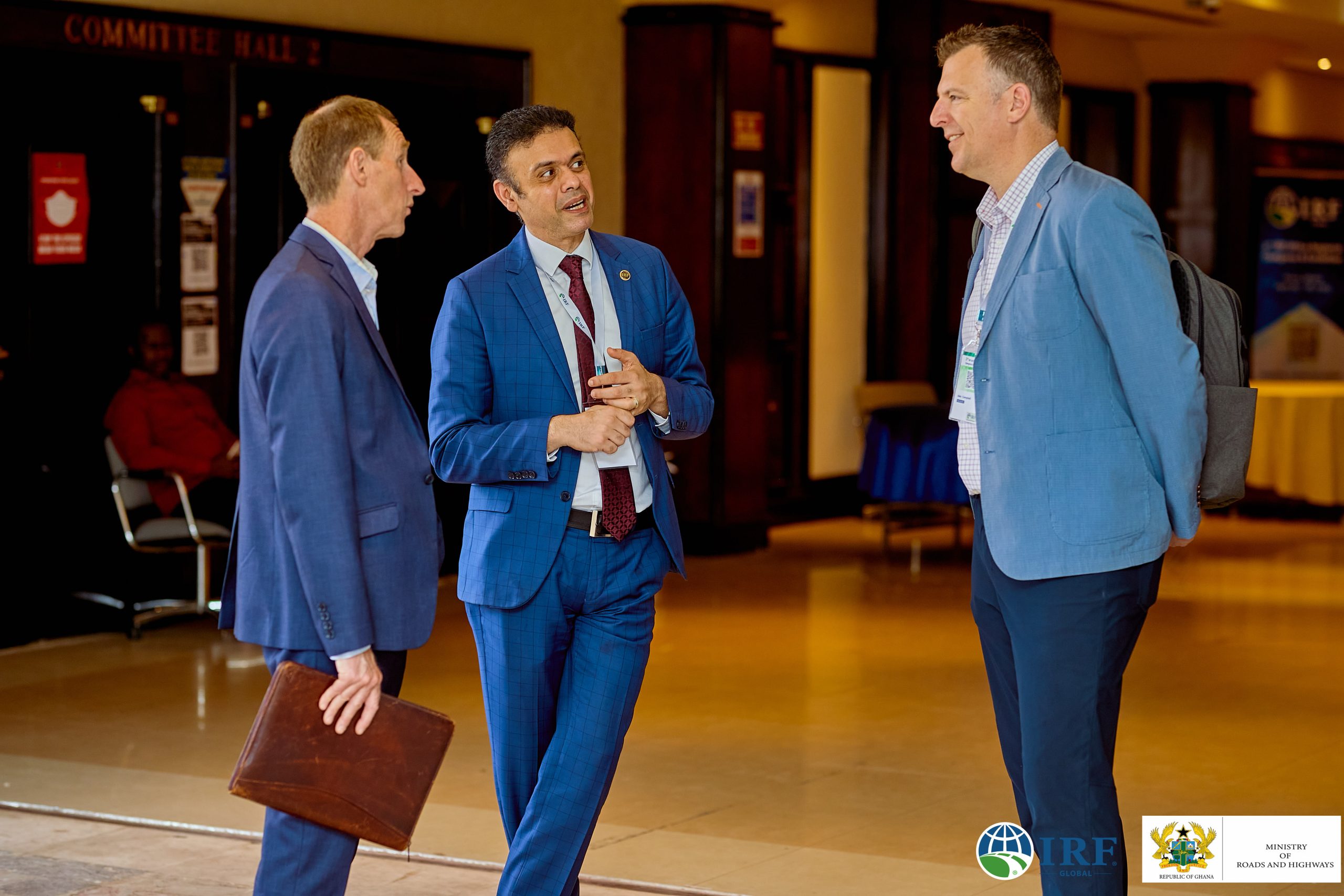
During my time in Washington, DC, while attending the highly anticipated Transportation Research Board Annual Meeting, I had a few Ah-ha moments. As the world is moving towards everything digital, it is surprising that I learned Infrastructure is the second-least digitally transformed sector of the economy. It’s even more surprising knowing that Infrastructure is responsible for 79% of all greenhouse gas emissions.
When we pair infrastructure with technological solutions, we can reduce GHG emissions significantly. So why aren’t we moving the needle faster? Technology is essential to infrastructure achieving net zero and sustainable development goals (SDGs). Still, much infrastructure operates almost exactly as it did 50 or even 100 years ago because of systemic barriers to technology adoption.
Where can we start?
- Introducing existing and new technology-based solutions to the infrastructure sector can help reduce the environmental impacts of roads and improve road safety by improving the quality, cost-effectiveness, and affordability of road design, construction, operation, and maintenance.
- Technology can also facilitate adapting our infrastructure to make it more resilient to a changing climate using AI-enabled decision support tools, AI analyzing road conditions, Asset design and monitoring by satellite imagery and much more.
In developing countries, the positive impact can be even greater as they are cost-sensitive and most vulnerable to climatic events. Making digital tools accessible and practical to address the unique challenges of developing countries will greatly impact people’s lives.
To summarize, we need to make bigger efforts to support emerging technologies, which can be applied at any point in the infrastructure lifecycle to achieve one or more of the impacts listed above. To overcome the barriers to implementing Tech in a practical way in the infrastructure sector, we need to work together to reveal the full strength of tech solutions in delivering cost-effective, fast and data-driven solutions.
Research and development of new transportation solutions are greatly needed to continue improving our world, and we can only achieve greatness together. Platforms like TRB allow professionals from all walks of life to share experiences, knowledge and collaborate for the future of our transportation networks and proactively face challenges. Thank you to the organizers of TRB for continuing to foster this amazing group of industry professionals, from YPs to the most seasoned engineers. I look forward to learning more throughout the year, and we will see you in January 2025 once again.

Keren Moshkoviz
Director of Strategic Planning
AnyWay Solutions
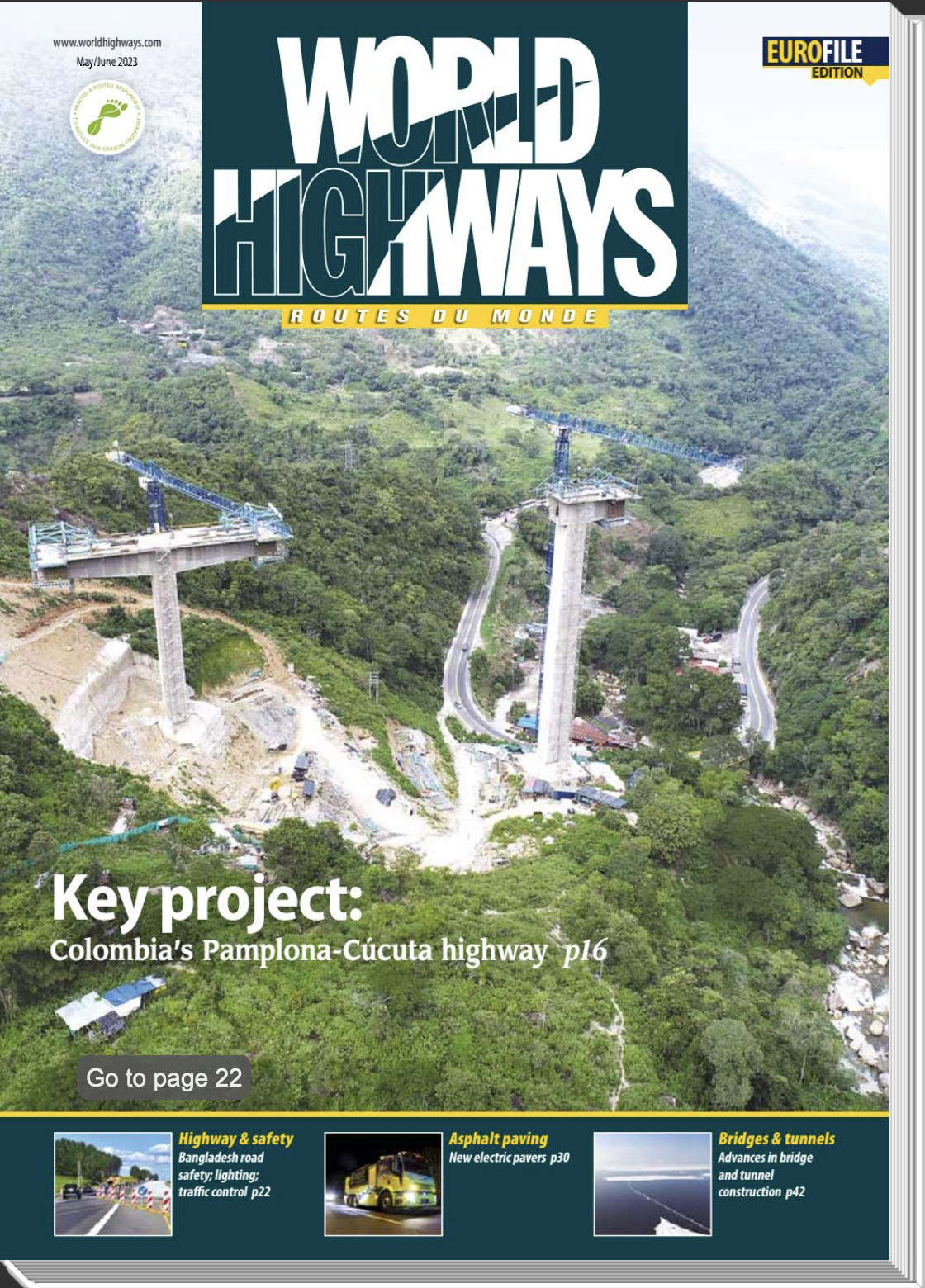

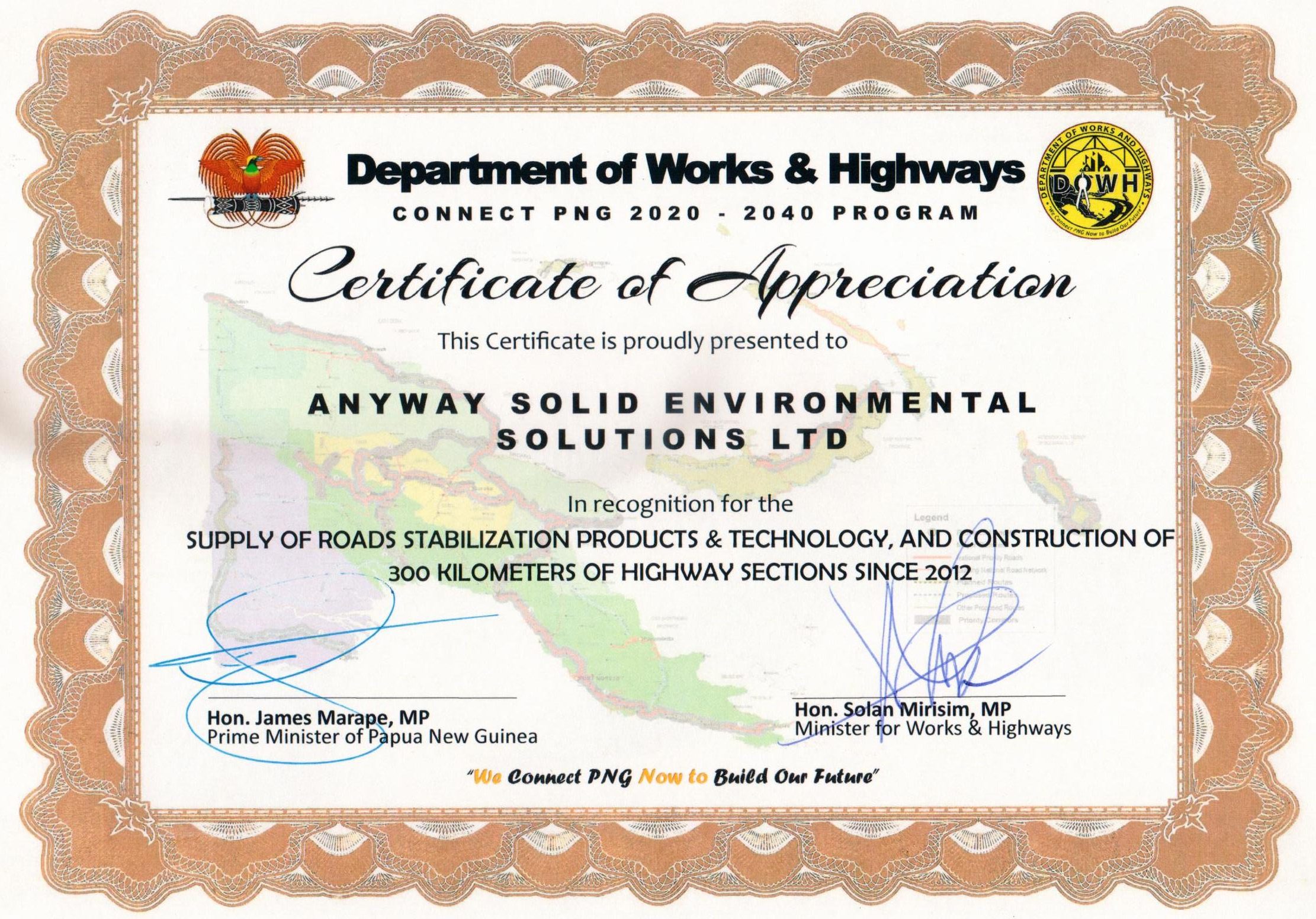


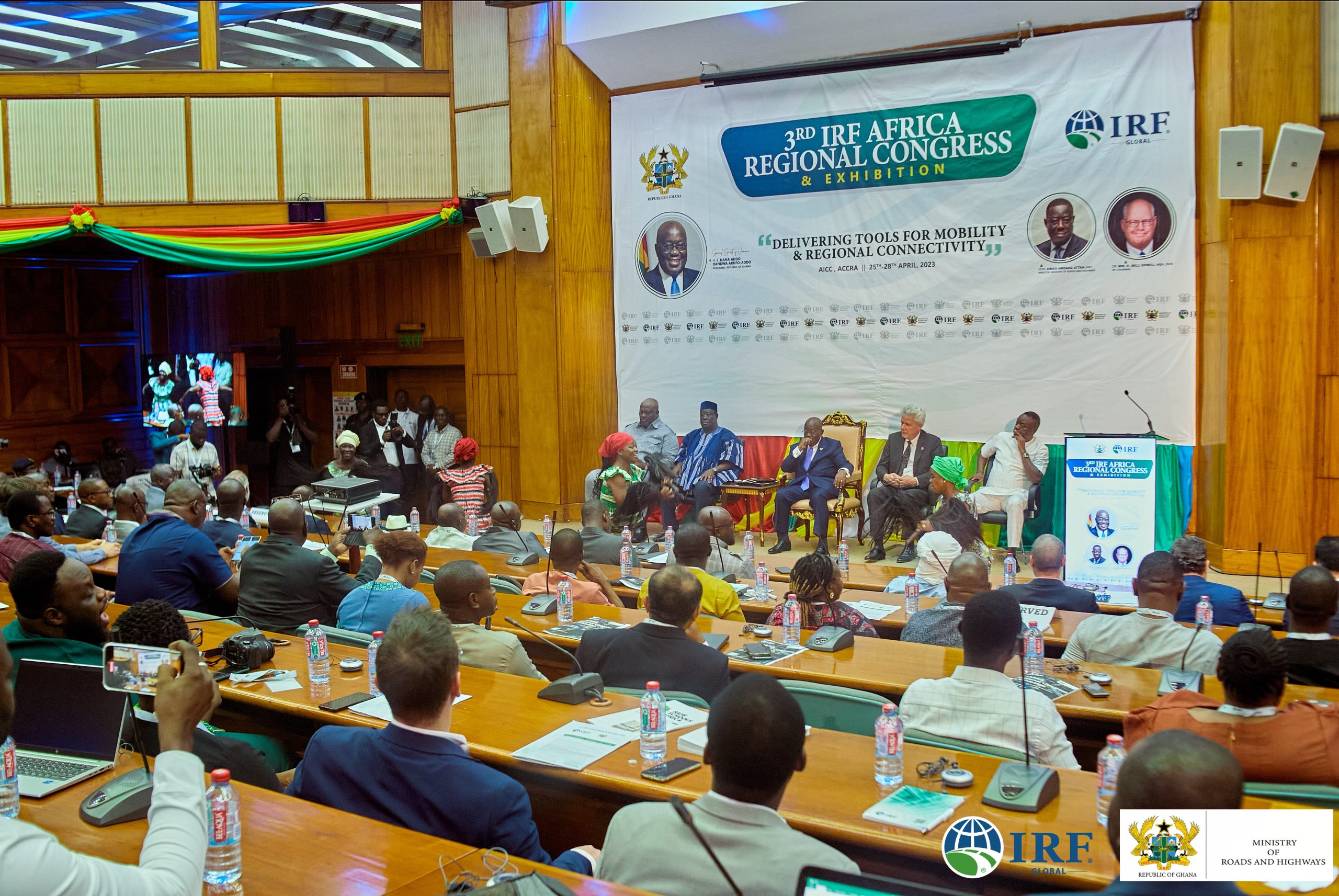

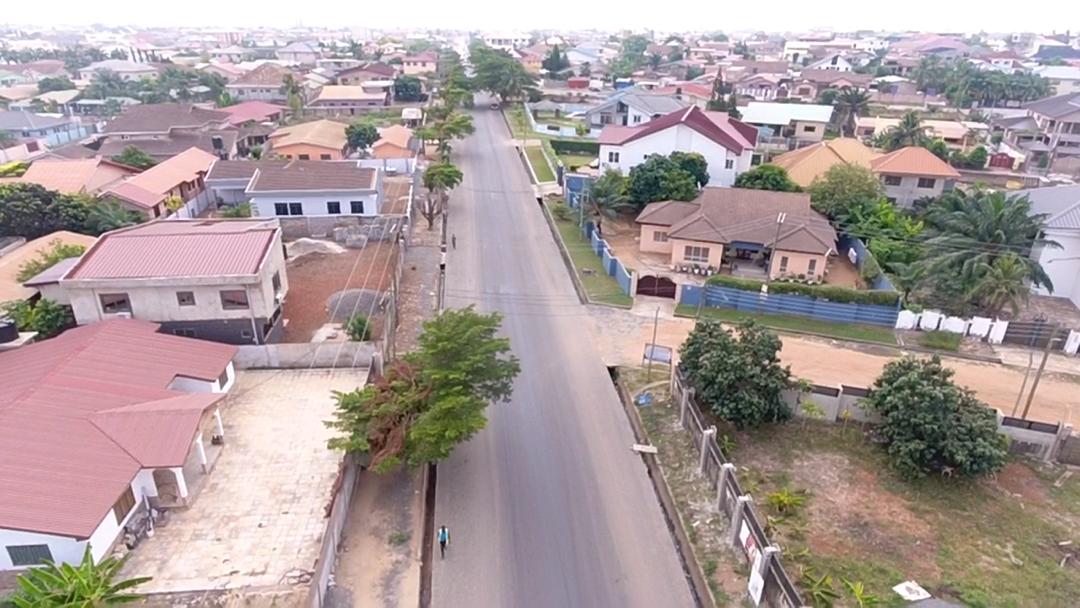
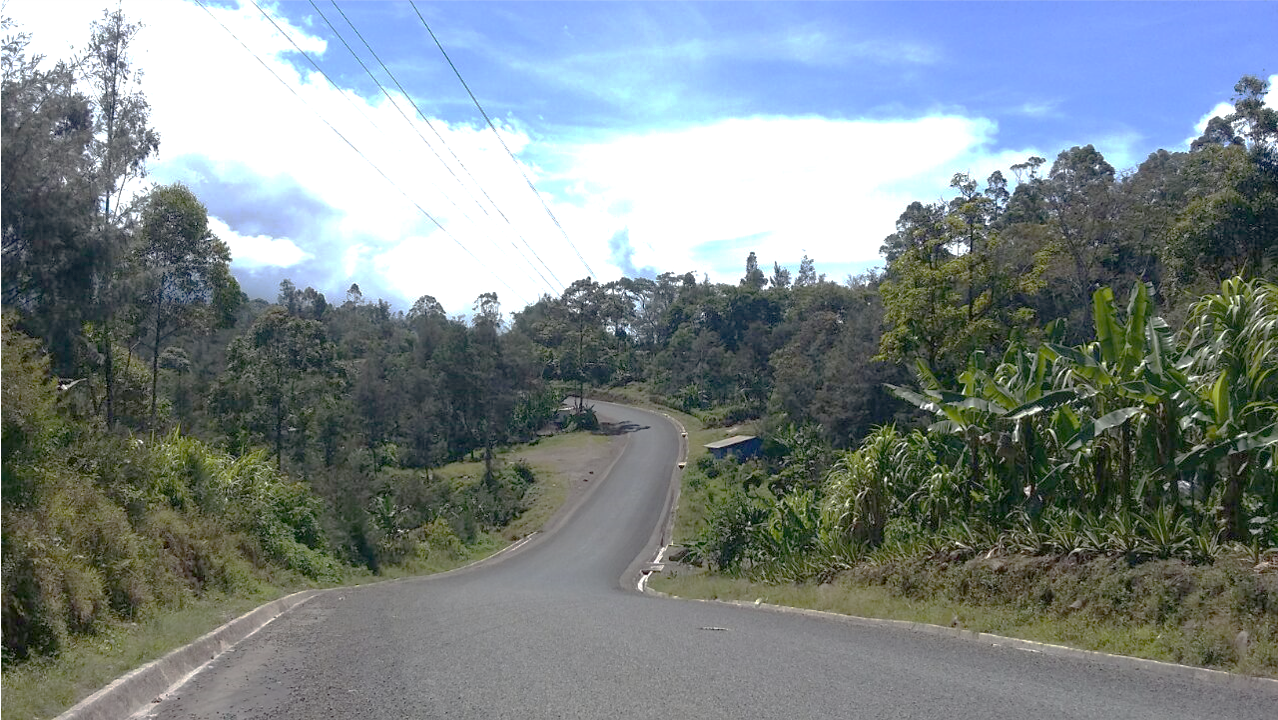
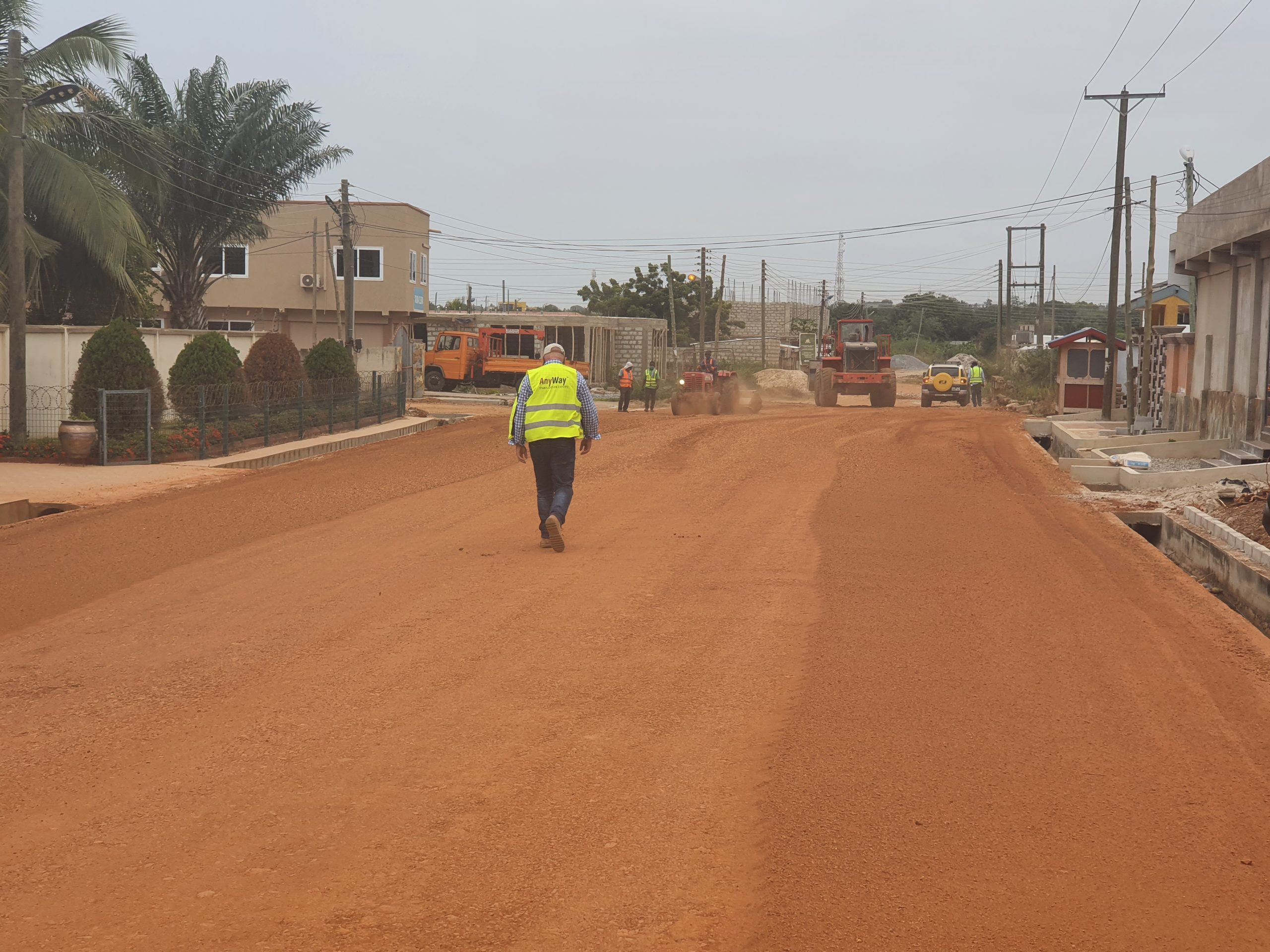


 Ghana – The Government of Ghana, through its Ministry of Roads and Highways (MRH) has signed a Memorandum of Understanding (MOU) for the implementation of AnyWay’s stabilization solutions in Ghana. Under the MOU, the parties shall be launching a joint program to evaluate the benefits achieved by incorporating AnyWay’s stabilization techniques and expertise in both the rehabilitation of existing roads as well as the construction of new roads throughout the country. Zeev Halber, CEO of AnyWay, indicated that the group is aiming to expand its presence in West Africa, and is currently negotiating similar MOU’s with a few other West African governments. AnyWay has been actively involved in African infrastructure projects since 2000.